McClung Collection houses one of East Tennessee’s most important catalogues of photographs
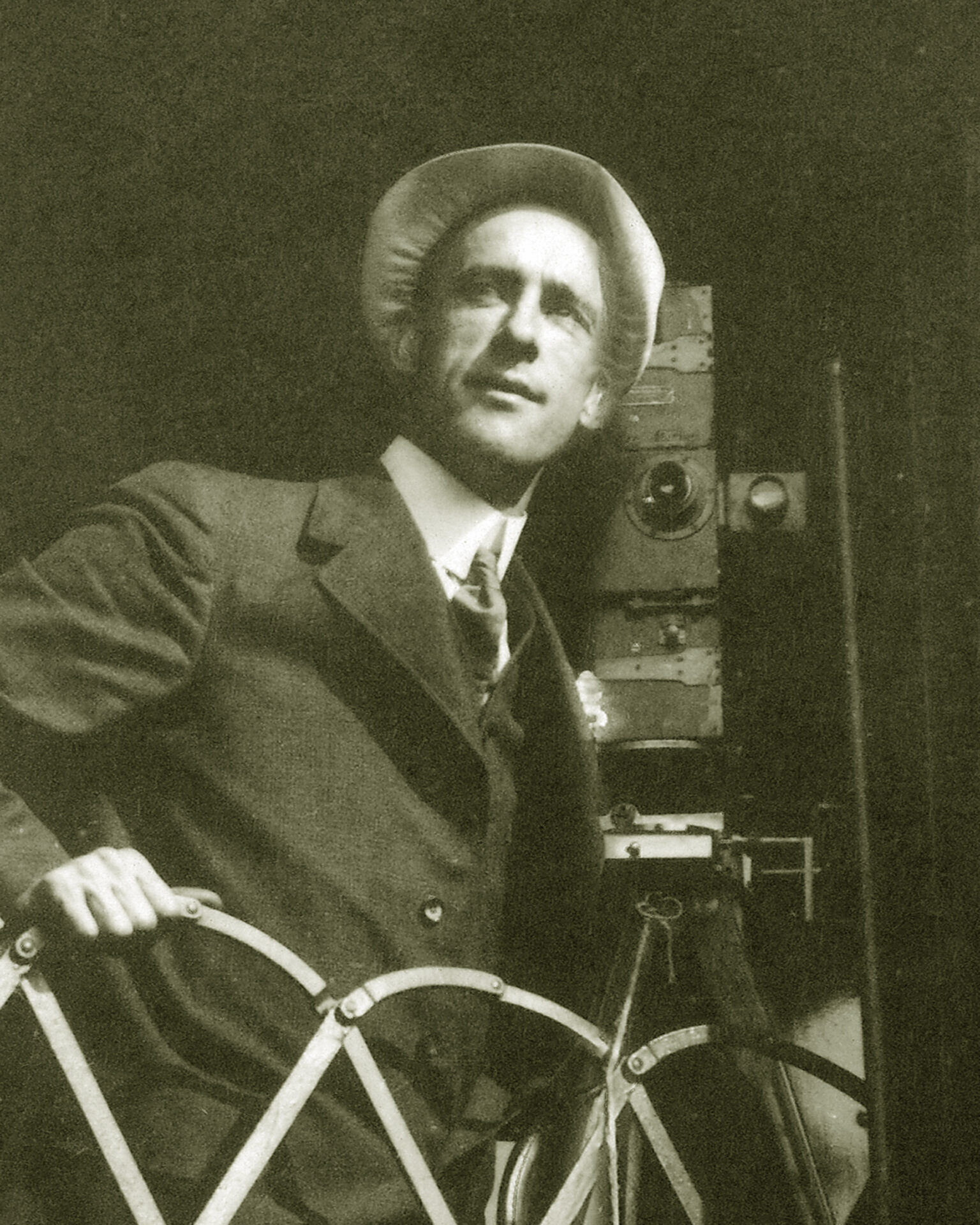
You know all those photos of ye olde Knoxville you see in every other restaurant, bar and shop downtown? Or the majestic black-and-white pictures of the Smoky Mountains National Park and its dedication that pop up in newspapers or online whenever there’s an anniversary or celebration? Most of those were taken by one man, Jim Thompson.
Those that weren’t taken by him were probably taken by his brother, Robin, or someone working at his studio.
James Edward Thompson was born Sept. 25, 1880, in Morristown, but the family moved to Knoxville when Jim was 2 years old, settling into Blount Mansion for a time.
His father, Mortimer Thompson, was a draftsman and worked with the architecture firm of George Barber, but he also studied with famous Knoxville painter Lloyd Branson and himself painted several portraits of mayors which are still on display in the City-County Building.
His mother, Corrie Hattie Stearns, was known as “Mother Thompson” due to her charitable work, especially with assisting women in poorer areas of town and helping to locate underage runaways.
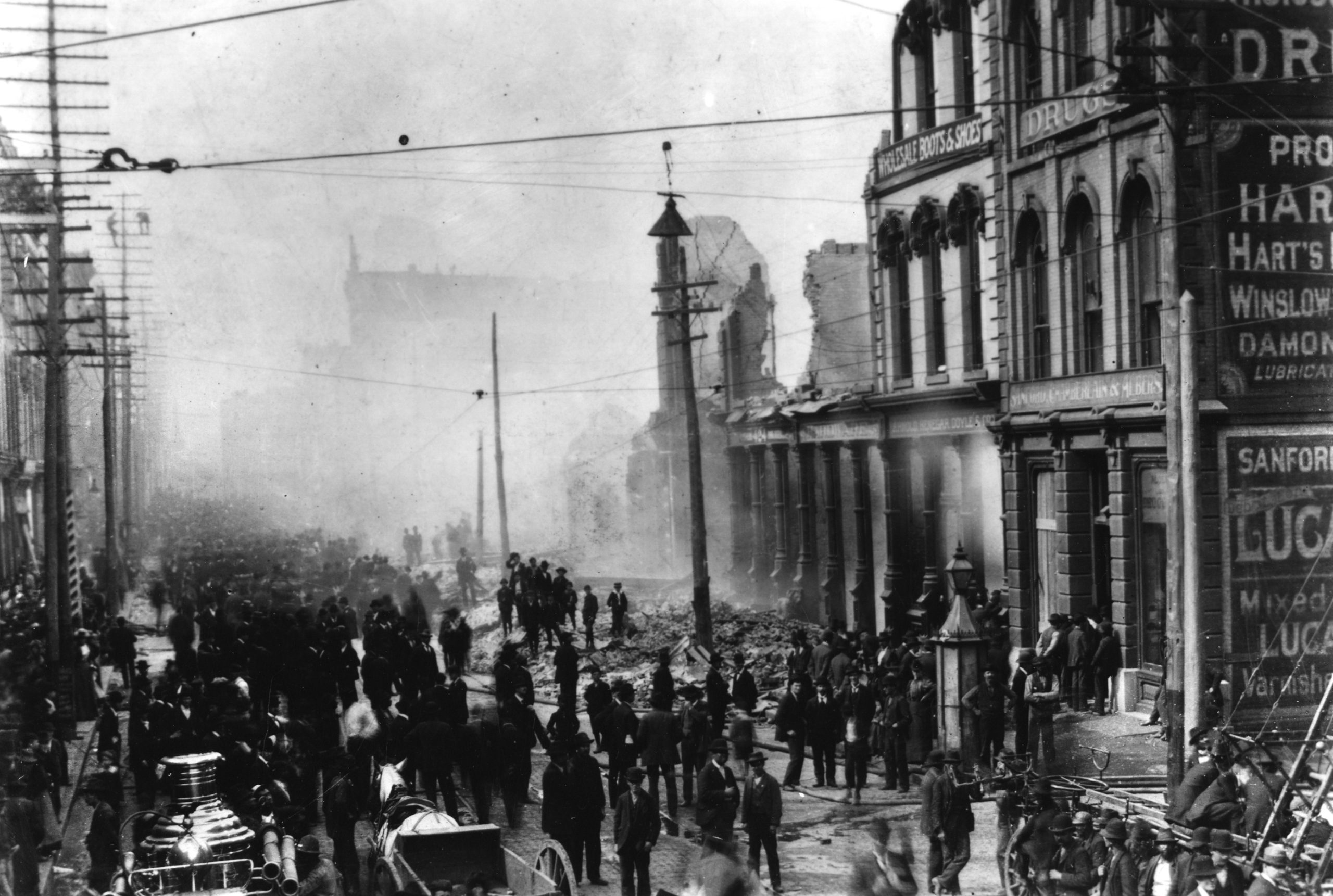
Jim left school and began working in photography as a teenager, and in April 1897, when he was just 16, he photographed the aftermath of a devastating fire, which would come to be known as the Million Dollar Fire, in downtown Knoxville. Some of his photographs were published in newspapers, and he began to see he might make money in this enterprise.
Thompson opened up Thompson Photo, Inc. in 1902, and his photography-for-hire business became more and more successful. In 1904, he took pictures of another disaster, the New Market Train Wreck, and placed those in the windows of his Gay Street storefront. They were a source of public fascination, and he realized even more the power visual images could have.=
His business ended up being so successful that he and his brother Robin, who joined him in 1919 to form Thompson Brothers, left behind one of the richest visual records of downtown Knoxville and its citizens throughout the first half of the 20th century. Jim and Robin would have an on-again, off-again business relationship over the years, opening Thompson, Inc. at 613-615 Lowry St. in 1933 and employing up to 30 people at its height. Jim also opened the Snap Shop, a photographic supplies and processing business, which would grow to a series of locations throughout the city.
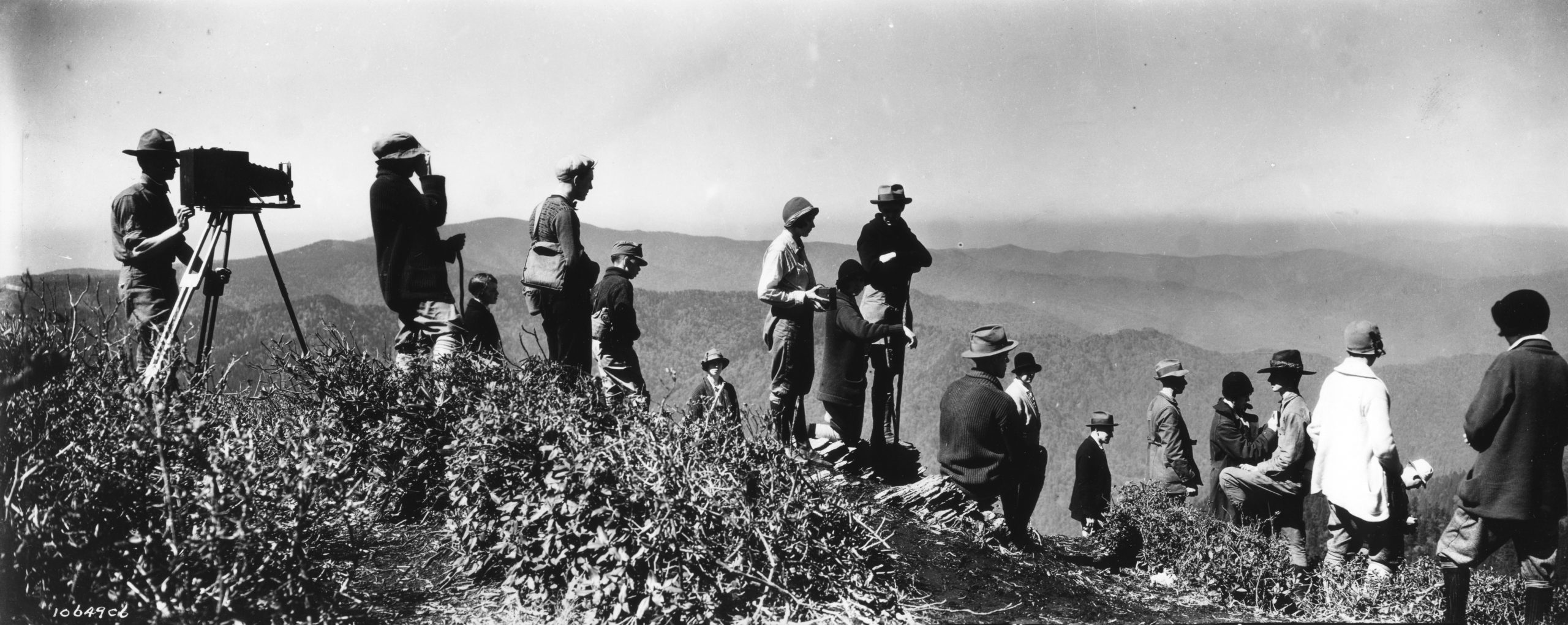
Jim began hiking in the Smoky Mountains around 1915, and he claimed he never went to the mountains without a camera. He would return to the area often, many times in the company of charter members of the Smoky Mountain Hiking Club, which formed in 1924. Given road conditions and transportation at the time, just getting to the Smokies was a feat back then. It could take a day or more just to make it to a trailhead. Considering that Jim and friends had to haul the camera, tripod, equipment and heavy glass-plate negatives up the mountains, it’s extraordinary that so many photos from this era were taken and that they survive today. These photos, featuring views and vantage points most people had never seen with their own eyes, or even in photos, were important in advocating for the creation of the Great Smoky Mountains National Park in 1934.
As he aged, Jim Thompson’s vision began to fail. He retired in 1963, and the Thompson studio closed. Images of the destruction of the downtown Market House are some of the last photographs he took.
Soon after, it was announced the Lowry Street building would be demolished during the urban renewal project. It was uncertain what would happen to the thousands of photographs and negatives, but librarian Pollyanna Creekmore offered a home for the photos in the McClung Collection at Lawson McGhee Library.
More than 30,000 images – including negatives, glass plates, prints, custom-made books, albums and panoramas – providing an unrivaled visual documentation of the Great Smoky Mountains and Knoxville throughout the first part of the 1900s likely would not survive today without Creekmore’s intervention. More than 10,000 of these images are available to view online at the McClung Digital Collection, and more are being printed, scanned and added each year.
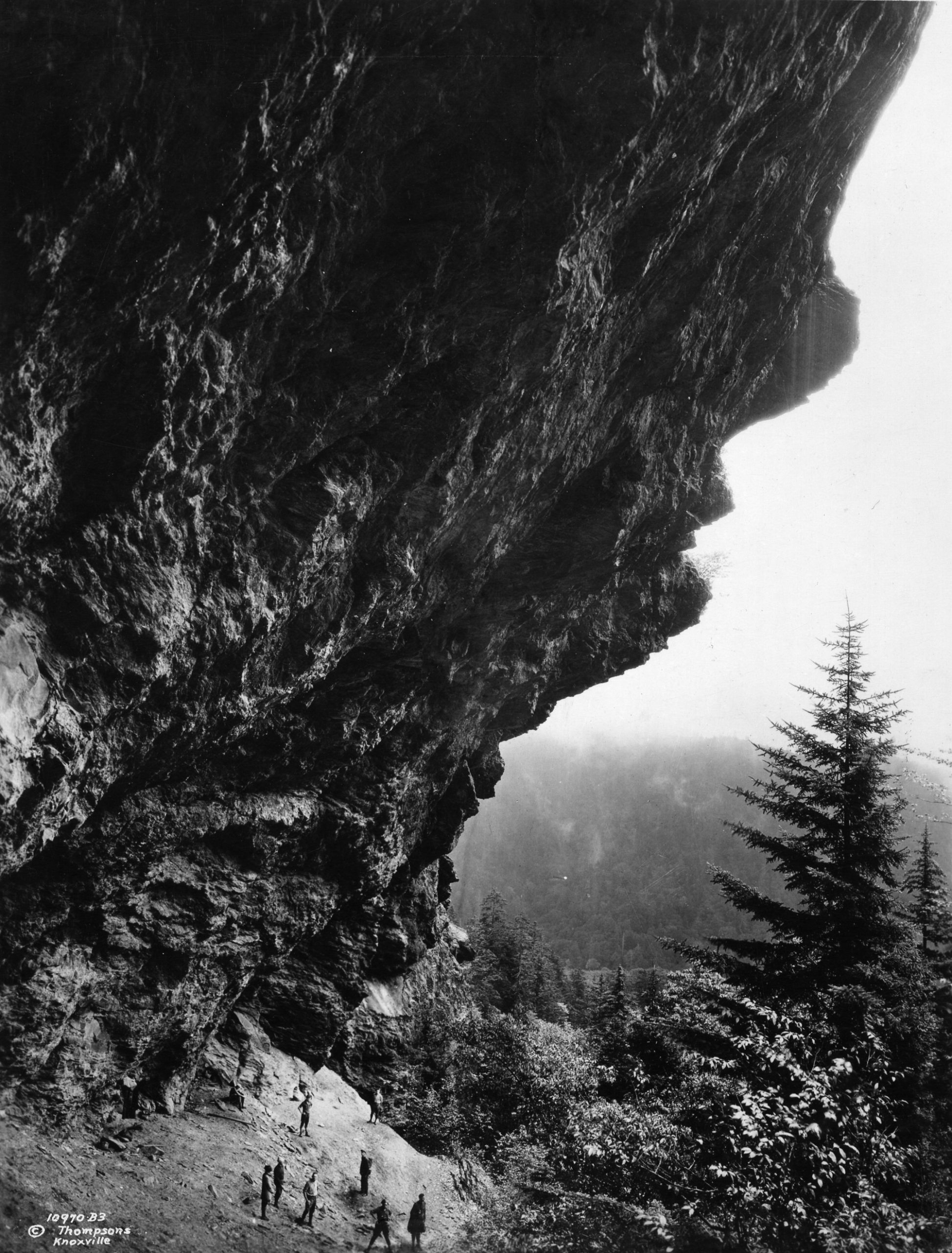
Jim Thompson died on March 22, 1976, at the age of 95. The Snap Shop changed its name to Thompson Photo Products and continues to be operated by members of his family. The Thompsons have an unrivaled legacy in documenting Knoxville throughout the last century, as well as in helping others do the same.
To view Thompson’s photos, visit the McClung Digital Collection at cmdc.knoxlib.org/