Springsteen tones things down on ‘Tunnel of Love’
By Ken Lay
By the end of 1985, Bruce Springsteen was on top of the rock ‘n’ roll world.
He had scored a multiplatinum album with “Born in the U.S.A.,” which spawned multiple hit singles and was his best seller since “The River,” and he wrapped up a two-year worldwide tour in the fall in Los Angeles at the Coliseum. His look and stage presence made him a natural fit for music videos, which thanks to MTV and VH1 were all the rage at the time. And he was a key contributor to “We Are the World” along with Michael Jackson, Bob Dylan, Willie Nelson, Billy Joel and others.
But 1984’s “Born in the U.S.A.” took nearly two years for Bruce and the E Street Band to record. His hours-long concerts, a decade of which were chronicled in a five-record live album released the next year, were exhausting. And he also somehow found time to get hitched, albeit briefly, to actress Julienne Phillips.
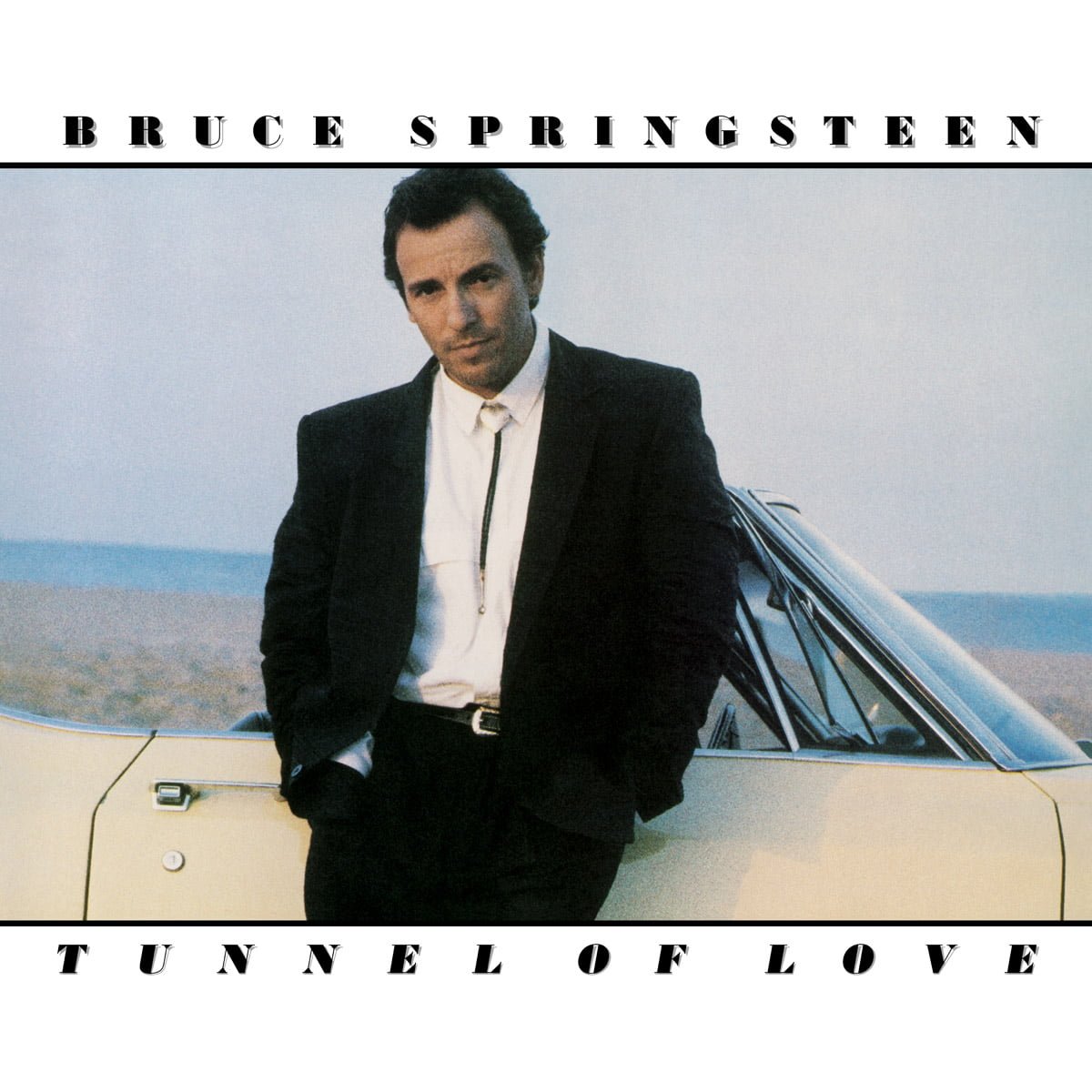
The Boss went on a break but would reemerge in 1987 to a public that was ready to hear what its working-class hero had been working on. “Tunnel of Love” hit record stores to rave reviews and outstanding sales, but it was an absolute departure from what Springsteen had released three years prior.
This, however, was not an unprecedented move for the artist. After 1980 double album “The River” earned him modest commercial success and generated his first top-10 hit in “Hungry Heart,” Springsteen taped the landmark acoustic solo album “Nebraska,” released in 1982, at his home on a four-track recorder.
“Tunnel of Love” was similar in that it was largely a solo album produced mostly in his home, although all of his bandmates did appear on songs such as the title track, “Spare Parts” and “Tougher Than the Rest.” Like “Born in the U.S.A.,” the LP spawned multiple hit singles, another worldwide tour and a partnership with Amnesty International.
But this album was also different in that it explored both the blissful side of love, like in the finale “Valentine’s Day,” and the painfulness of breaking up, articulated in cuts such as “One Step Up,” “Two Faces” and “When You’re Alone.”
Like his other successful works, “Tunnel of Love” is effective because of its relatability. We’ve all had these experiences, both good and bad. We’ve loved and lost and been deceived by lovers and paid the price.
Springsteen’s marriage to Phillips was probably on the rocks when he wrote the material for “Tunnel of Love,” and the couple would divorce shortly after its release. Nearly six years would pass before he released full-lengths “Human Touch” and “Lucky Town” on the same day in 1992.
The Boss was not immune to the ups and downs of love, and that’s why the LP struck a chord with listeners and remains one of his most subdued yet moving releases to date.
ken@blanknews.com