‘Eight Days a Week – The Touring Years’ features Fab Four at their best
By Ken Lay
The decade of the 1960s brought music fans far too many iconic bands and works to even begin to mention in such a brief article. But there’s absolutely no doubt that The Beatles were the most influential group of the era, and all of the band’s albums were classic works that invariably broke new ground.
From the early days of “Please Please Me” to the creative rock of “Rubber Soul” to the psychedelic sounds of “Sgt. Pepper’s Lonely Hearts Club Band” to later works like “The Beatles” (“The White Album”), “Abbey Road” and “Let It Be,” the Fab Four never disappointed anybody aside from certain critics who always looked for flaws in the group’s output.
Nearly six decades after its decade-long dominance ended with a seemingly bitter breakup, all of the legendary band’s recorded material has stood the test of time. However, there was one notable thing missing from the band’s catalog: an audible recording of its early live performances. Sure, the band released live work from 1962-66, but most of it couldn’t be heard over the screams of rabid fans.
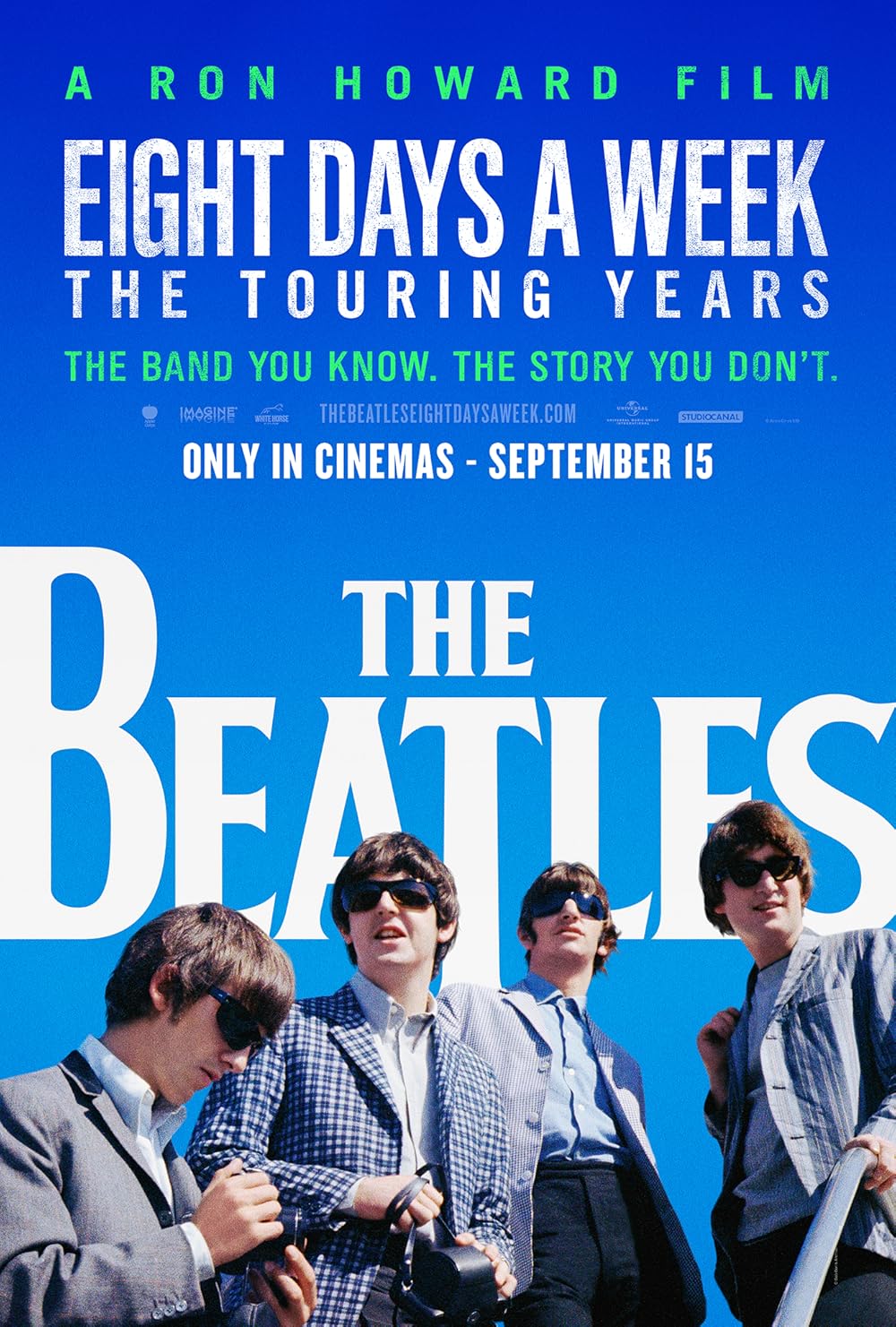
In 2016, film director Ron Howard changed all that with the release of “The Beatles: Eight Days a Week – The Touring Years.” Though I must admit that I have yet to watch the documentary, the accompanying soundtrack of the same name presents a good account of the group’s live prowess. The album still features quite a bit of background noise, but, through the magic of technology, you can actually hear the performances.
Most of the early classics, such as “Can’t Buy Me Love,” “The Things We Said Today,” “She’s a Woman,” “A Hard Day’s Night” and others are here, along with classic covers of “Roll Over Beethoven, “Boys,” and “Long Tall Sally.”
Now that the songs of rock ‘n’ roll’s most important band can actually be heard, we know how technically sound and ahead of their time the players were – even in the early days before their experimentation influenced so much of what was to come later.