Folk chameleon releases transformative, revealing new EP
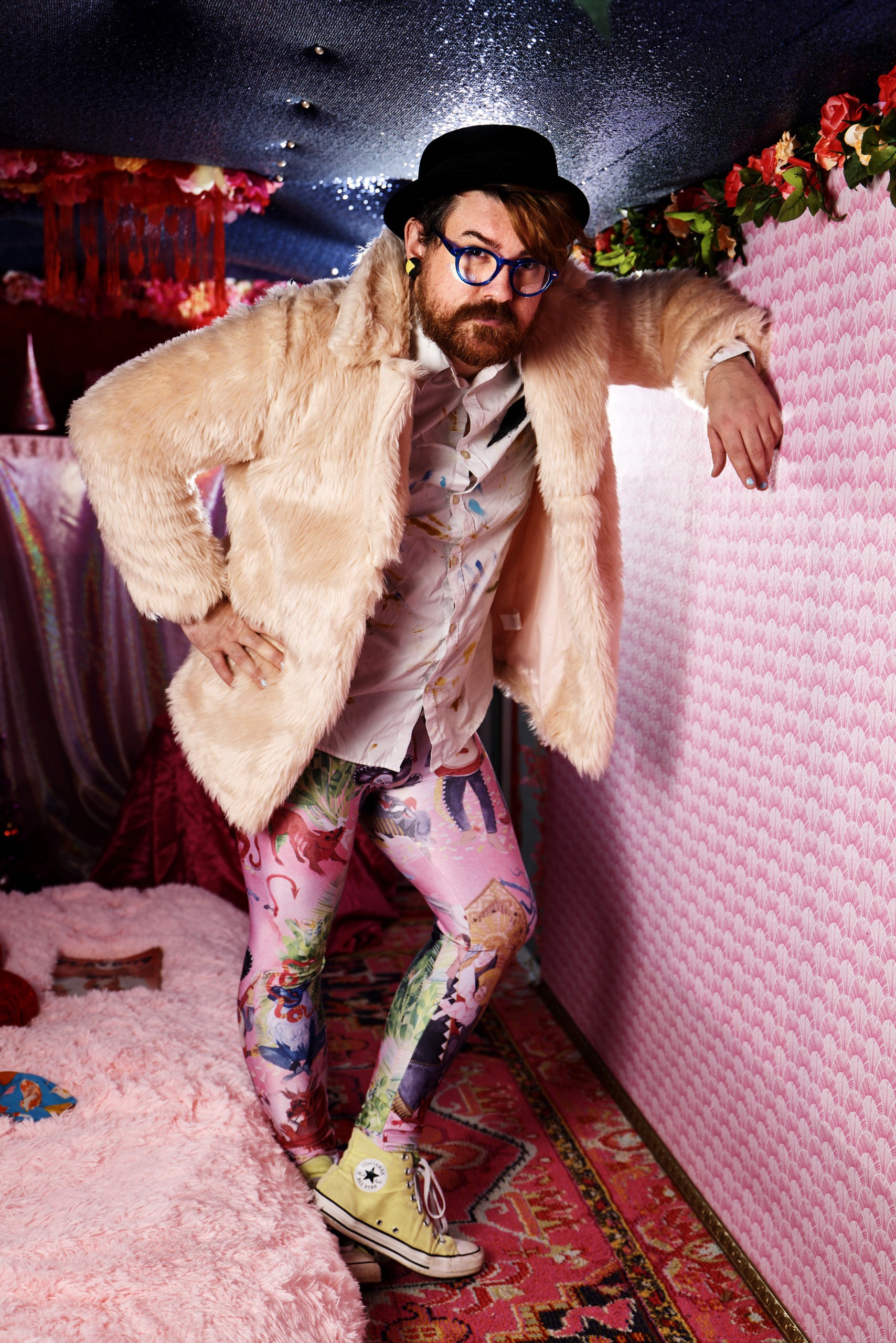
During their critically acclaimed indie-folk career, they’ve been known around the Knoxville scene, the greater Appalachian region and to online fans around the world as Kyle Adem, Kyle Bingham, Adeem Bingham, Adeem the Artist and Ole ‘Deemie, to name a few. And now, on “Cast-Iron Pansexual,” due out March 5, Adeem Maria, the newly openly pansexual and non-binary folk chameleon, takes their most dramatic and revealing lyrical and stylistic turn to date.
There’s no mistaking the tone of the new release; from its country-fried, Greek-chorus-prologue-style chants about boys looking cute in blue jeans to kick off opening track “I Never Came Out” onward, the EP smacks of self-discovery, reflection and the constant, restless evolution that Maria has been known for, all couched in their trademark tongue-in-cheek aphorisms.
Maria is a case study in reinvention. Scrawny, black-nailed emo days in their adopted hometown of Syracuse, New York, as they came of age at the turn of the millennium gave way to hapless drunken nights playing hours of pop covers for cruise ship patrons, then to winning over their wife and life partner, artist Hannah Bingham, with romantic handwritten letters exchanged across oceans and journeying to build a bohemian life together in Union City, New Jersey, before settling in Knoxville.
Since blessing the local scene with their vibrant presence, Maria has been on a prolific tear, following up “Syracuse,” “Beautiful Dreamer” and other pre-Knoxville releases with “Kyle Adem is Dead” to introduce the Adeem the Artist character in 2016; the Birds EP series (“The Owl” and “The Flamingo” so far, with more planned) in 2018; “Forgotten Songs and American Dreams” in 2019; multiple collaborative projects like their “Love Notes” children’s book they created with Bingham; an EP with their brother; and a series of notable singles like the newish local holiday classic “A Scruffy Little Christmas” and the criminally underrated COVID-19 theme song “Pandemic Days.”
Maria forged alliances across the scene. They played the International Biscuit Festival, winning a Golden Biscuit for Best Biscuit-Related Song in 2017 and 2018. They opened in Johnson City for original namesake, NASCAR legend-turned-troubadour Kyle Petty. They toured around the region. They assembled a top-notch country backing band including Jason Hanna of Dixieghost and Brock Henderson, Knoxville’s current reigning pedal-steel king. They developed another alter ego, Captain Redbeard, to take over the local cover-show market with impressive human jukebox-style sets perfected back in their cruise ship days. Finally, they won the Knoxville segment of the Tennessee Department of Tourism Development’s Tennessee Songwriter Week contests, earning themselves a chance to play in the finals at the legendary Bluebird Cafe in Nashville. Maria was poised to get their closest thing to a big break since a Discovery Channel show featured one of their songs a decade earlier. They seemed to be juggling a nascent music career and young family perfectly.
And then the harsh realities of the pandemic set in.
The Bluebird gig was postponed. Captain Redbeard cover shows, their financial bread and butter, were canceled one by one as bars and restaurants temporarily shut down. Maria had to take on a day job to make ends meet, and creativity stalled.
But then the wheels started to turn once more.
This reflective period coincided with a time in which Maria was more regularly hinting online at their pansexuality, eventually coming out as non-binary with the new name not long before the announcement of the new record. “I went out to the Farmer’s Market in a dress for the first time,” they say, citing their time writing for Country Queer, an online publication celebrating LGBT artists and allies making waves in the country world, as a catalyst for exploring that side of their musical heritage more fully.
“Many of us are from a lineage of blue-collar, working-class families in rural areas,” Maria says. “I was baptized in a storefront church. My dad ran lathe at a machine shop in Charlotte, and he cut lawns on the weekends with his buddy Kevin and mom took us to Sunday school and taught us what weed smelled like.”
Maria says a major sea change came about when they realized they could let go of shame by seeing their life “through the lens of a country song. It’s really the vernacular of my cultural tradition.”
“I think online helps because so many of us felt like there wasn’t space to wear both of these identities,” Maria says. “To find this web of folks who share this unique intersection of being Queer and of being hicks – or at least of having an appreciation for cowboy culture and the tradition of the genre? It’s a hell of a thing.”
BLANK has covered numerous past releases by Maria, and it’s an interesting, paradoxical phenomenon to see them become more niche thematically while being more accessible and hook-laden sonically than ever before. They’ve continued to more deeply embrace a country singer-songwriter sound, picking up some impressive fingerpicking stylings along the way. They’ve been writing about more topics that a lot of folks don’t fully or properly understand, but with sharper songcrafting instincts, ripping out incisive verses and sing-along choruses. Maria self-produces and is finding a nice light touch with layering instrumental tracks that are subtle enough to let the vocals breathe.
So what’s next for Adeem Maria?
Well, the Bluebird gig was rescheduled as a virtual show, and they were still able to reap some of the rewards of the songwriting contest win by accessing a major gatekeeping portal in country music fandom. “Pandemic Days” continues to be an appropriate marker of our current era. And they feel comfortable to have joyfully crossed the Rubicon of their final reckoning with sexuality and gender identity, feeling free to pursue any creative muse or outlet and constantly reinventing themselves as they have in the past.
“I don’t think this changes who I am as an artist,” Maria says. “My vision and purpose remain the same: tell the stories that need to be told, connect to the human heart, straddle that agonizing line between heartbreak and hope with humor and poetry.”
The future of music, in Maria’s mind?
“Hopefully more equitable.”